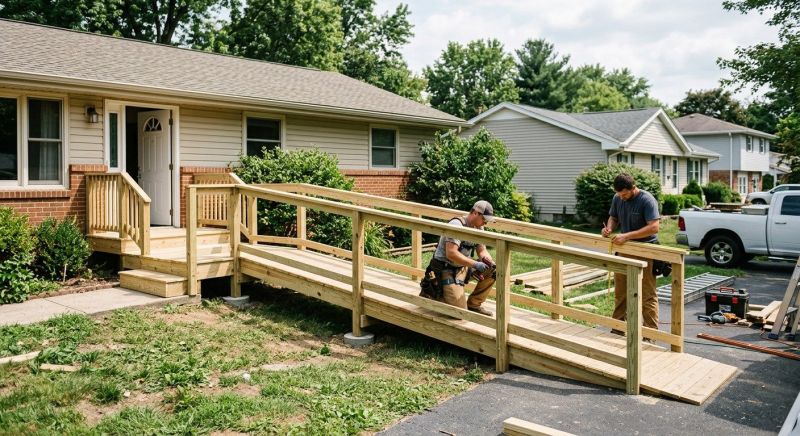
Residential Ramp Installation in Wilmington, NC
Residential ramp installation services provide a practical solution for improving accessibility around homes in Wilmington, NC. These projects typically involve constructing ramps that connect entryways, porches, or decks to the ground level, making it easier for individuals with mobility challenges, elderly residents, or those recovering from injury to access different parts of the property. Common projects include installing wheelchair ramps at entrances, creating accessible pathways from garages to doorways, or upgrading existing ramps to meet specific needs. Homeowners usually want to understand the materials used, the design options available, and how the installation will integrate with the existing property features.
Before requesting residential ramp installation, property owners often consider factors such as the location and slope of the ramp, durability of materials, and any local building codes or regulations that may apply. It's helpful to assess the available space, determine the preferred style and height, and consider future maintenance requirements. Understanding these details can ensure that the finished project provides safe, functional, and aesthetically appropriate access points tailored to the specific needs of the household.
Many property owners in Wilmington, NC look into Residential Ramp Installation for repairs, replacements, upgrades, and appearance-related improvements.
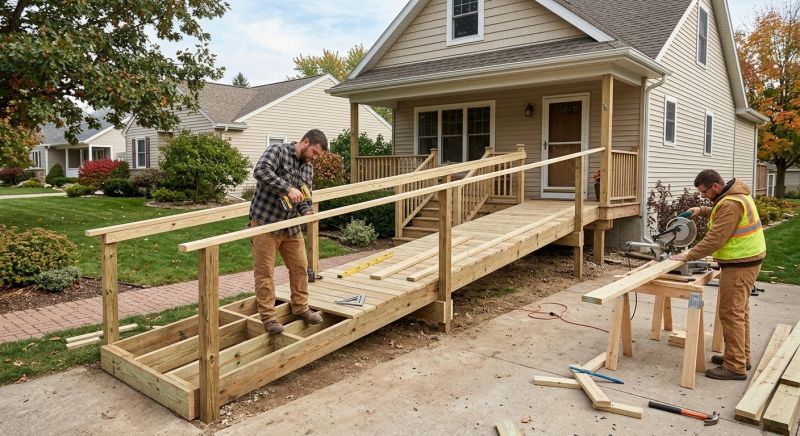
Accessibility Improvements
Residential ramps enhance safety and ease of access for all residents and visitors.
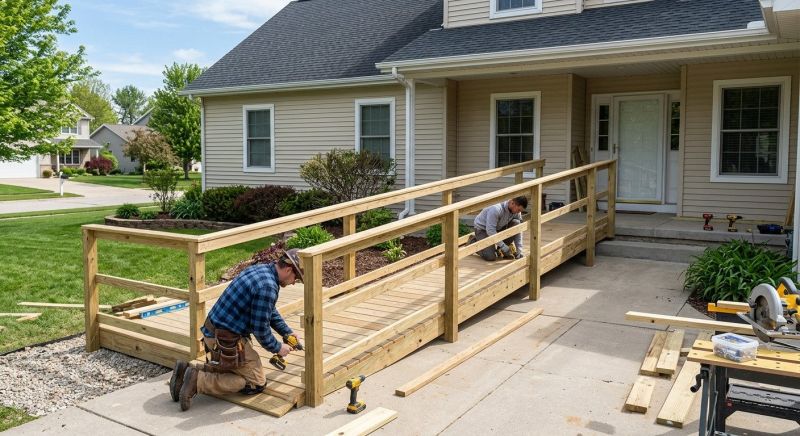
Custom Ramp Solutions
Options include various materials and designs to match the style of wilmington homes and properties.
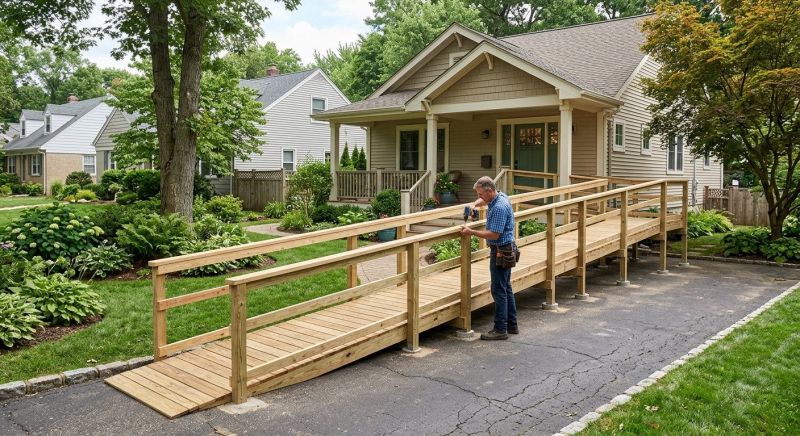
Property Value Enhancement
Installing a ramp can increase the functionality and appeal of residential properties in the area.
Residential Ramp Installation in Wilmington, NC
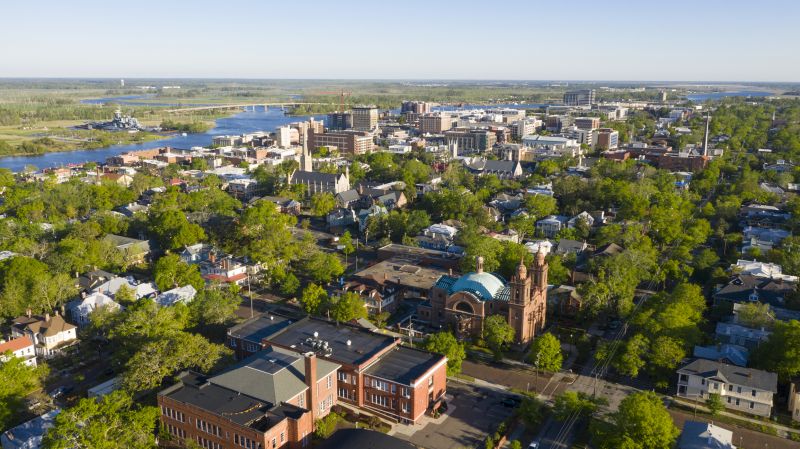
Residential ramp installation services provide a practical solution for improving accessibility around homes in Wilmington, NC. These projects typically involve constructing ramps that connect entryways, porches, or decks to the ground level, making it easier for individuals with mobility challenges, elderly residents, or those recovering from injury to access different parts of the property. Common projects include installing wheelchair ramps at entrances, creating accessible pathways from garages to doorways, or upgrading existing ramps to meet specific needs. Homeowners usually want to understand the materials used, the design options available, and how the installation will integrate with the existing property features.
Before requesting residential ramp installation, property owners often consider factors such as the location and slope of the ramp, durability of materials, and any local building codes or regulations that may apply. It's helpful to assess the available space, determine the preferred style and height, and consider future maintenance requirements. Understanding these details can ensure that the finished project provides safe, functional, and aesthetically appropriate access points tailored to the specific needs of the household.
Many property owners in Wilmington, NC look into Residential Ramp Installation for repairs, replacements, upgrades, and appearance-related improvements.
Common Residential Ramp Installation Jobs
Residential Ramp Installation - provides safe and accessible entry for homeowners with mobility challenges.
Portable ramp setup - offers temporary solutions for events or short-term needs.
Wheelchair ramp construction - creates smooth, level paths to improve property accessibility.
Threshold ramp installation - helps bridge doorways and step heights for easier access.
Outdoor ramp building - enhances entryways for homes with uneven terrain or stairs.
Custom ramp design - ensures solutions fit specific property layouts and homeowner requirements.
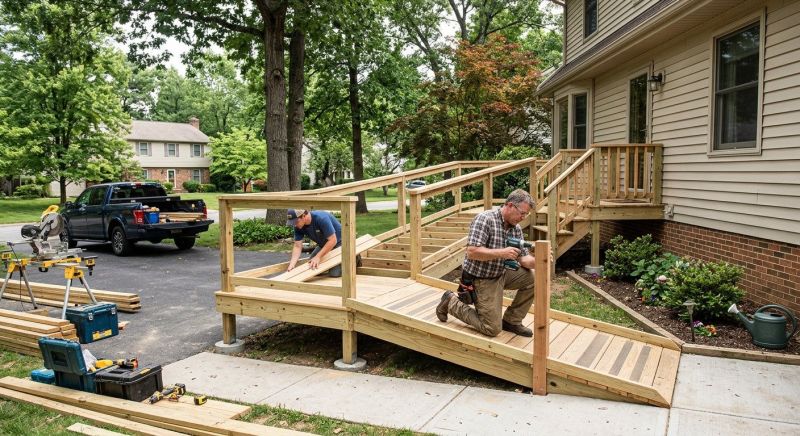
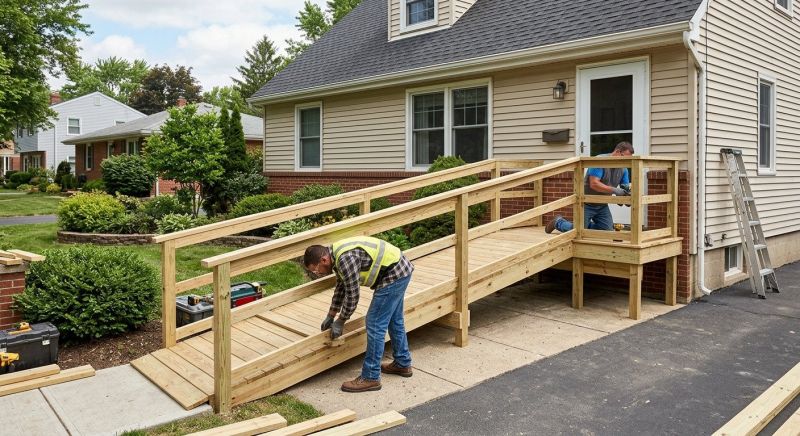
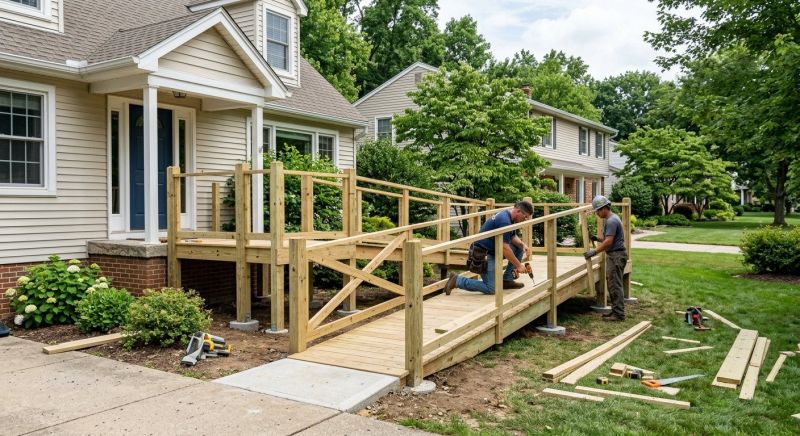
Residential Ramp Installation Questions
What types of ramps are available for residential projects? There are various options including portable, modular, and custom-built ramps to suit different property needs and accessibility requirements.
How do I determine the right slope for a residential ramp? The slope should be gentle enough for safe and easy use, typically following accessibility guidelines that recommend a ratio of 1:12 or less.
Can residential ramps be installed on uneven or sloped surfaces? Yes, ramps can be designed to accommodate uneven terrain or slopes, often with custom footing or landing adjustments.
What materials are commonly used for residential ramps? Common materials include treated wood, aluminum, and steel, chosen for durability, weather resistance, and ease of maintenance.
Request Residential Ramp Installation in Wilmington, NC
Use the quote form on this page to share the basics of your project and request more information for the type of work you need.